
A think tank dedicated to the best interests of the child.
7:42: This is the average amount of time that 12–13-year-olds spend daily on screens in the United States in 2025.[1]
By the end of the week, an average 12-year-old will have spent 53 hours and 54 minutes on their screen, compared to an average of 34 hours and 51 minutes spent at school in the U.S. [1][2]

Saying that these figures are alarming does not move the debate forward—yet they are. Younger generations are increasingly struggling to reconnect with reality, with tangible activities, and with real, in-person relationships.
Countless families are affected by problematic screen use. Parent–child relationships are strained by recurring conflicts over screens; setting clear boundaries around screen time is difficult; and effectively protecting children from harmful content has become increasingly challenging: harassment, pornography, extreme violence, online child sexual abuse, erotic content, sports betting, addictive video games, cyberbullying, incitement to suicide, encouragement of dangerous challenges, and access to drugs.
At the same time, screens have enabled unprecedented access to knowledge, openness to the international world, and improved communication.
This paradox can be explained by the distinction between the technologies enabled by smartphones (GPS, internet connectivity, cameras, access to music, etc.) and the evolution of screens as interfaces, app marketplaces, and algorithm-driven environments. Today, screens are the flagship product of what is known as the “attention economy.” The principle is simple: the more time users spend on their screens, the more advertising content they consume. As a result, the world’s largest companies are structured around this objective—and children have now become part of their target audience.


One of the main levers used to achieve this objective is the regulatory framework.
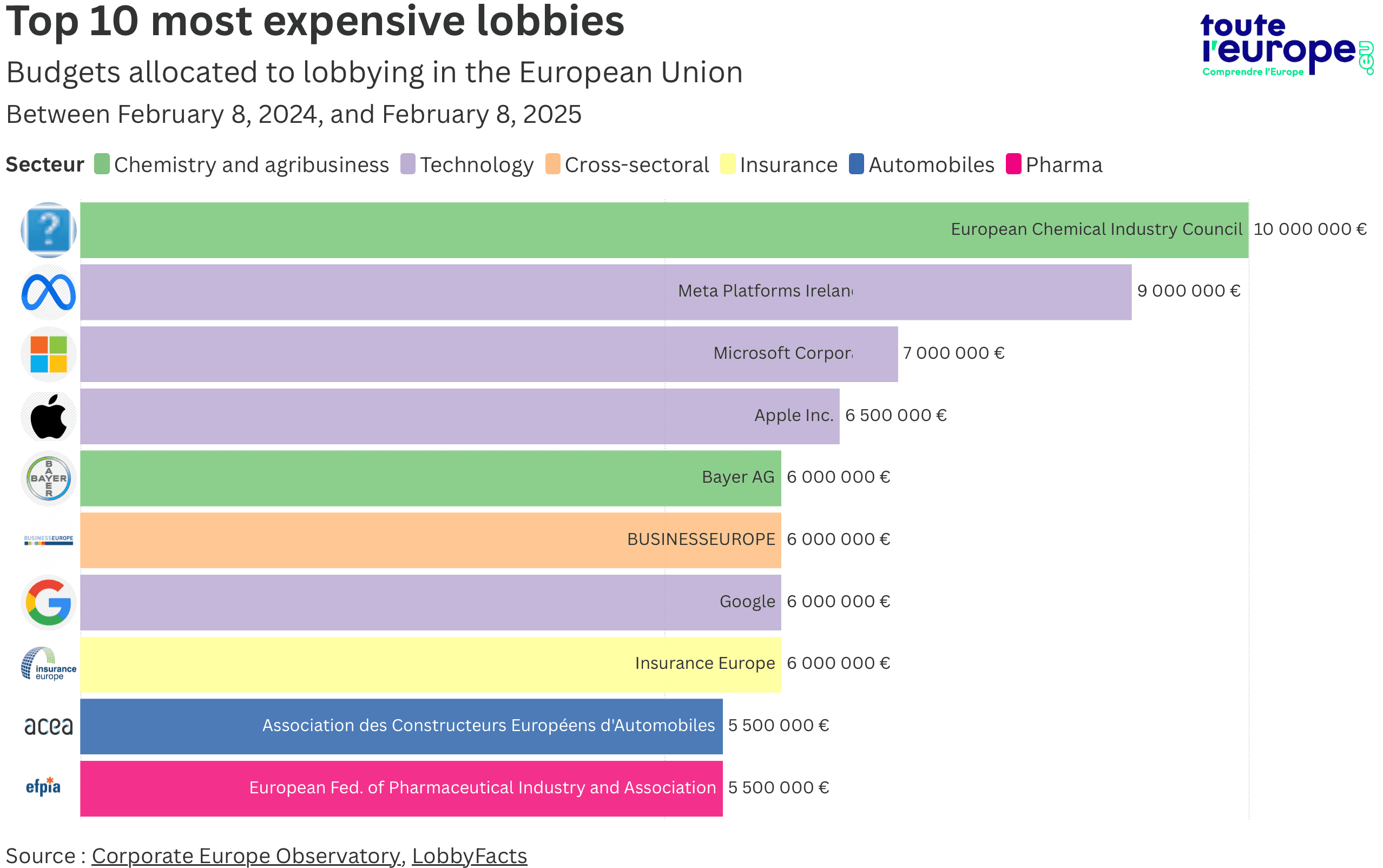
In Europe, regulation is centralised: the European Union sets the rules of the game. Within this system operate lobbyists—paid by companies to defend their interests before policymakers.
Between 2024 and 2025, nearly €29 million were spent on lobbying by technology companies. Their goal: to maintain the most permissive legislation possible, often at the expense of users.
We do not believe that technology companies are the villains of this story.
However, faced with the growing problems that screens introduce into children’s daily lives, we have identified a critical gap.
There is no organisation dedicated to counterbalancing the influence of screen-related lobbying.
As a result, lawmakers are confronted with well-structured lobbying arguments, without anyone speaking on behalf of the children who suffer from problematic screen use. This imbalance must be corrected to ensure a fair and informed debate. This is why we created Child First Project: the first think tank dedicated to children’s well-being in the digital age.
We exist to ensure that the best interests of the child are placed at the heart of decisions related to screens.
Educating children in a way that maximises their personal development has been the challenge of societies across generations. We are the digital generation, and we want the digital world to actively support the education and flourishing of our children.
Child First Project pursues three core objectives:
• Conduct research to understand how to ensure children’s well-being in a constantly evolving digital world.
• Inform policymakers and parents of the findings of our research.
• Build the screen of tomorrow as a lever for children’s well-being.
As we write these lines at the end of 2025, we are the first organisation to engage exclusively with this issue. While many studies exist, screens are almost always treated as a secondary topic. Reflections are rarely grounded in an in-depth analysis of the child–screen relationship. Meanwhile, problems continue to escalate, weakening families, harming children’s mental health, and ultimately affecting society as a whole—while policymakers are overwhelmed by economic, social, and environmental challenges.

We aim to bring the issue of screens into the public debate. This is not a topic reserved for economic actors alone—far from it. Parents must regain control over these tools and be empowered to provide their children with digital environments that genuinely enhance well-being.
Our commitment to the well-being of the most vulnerable is absolute. Support us!
Sources:
[1] Common Sense Media, 2025 ABCD, 2023
[2] Time for School, Matthew A. Kraft & Sarah Novicoff, Education Next: https://www.educationnext.org/time-for-school-assessing-inequality-access-instructional-time-united-states/
[3] https://images.unsplash.com/photo-1762343732234-a98679779d4e
[4] Novethic
[5] https://images.unsplash.com/photo-1628605007510-696cd5731961
[6] https://images.unsplash.com/photo-1511448962213-2f9bc14ed197
[7] https://images.unsplash.com/photo-1758687126234-89901f426283